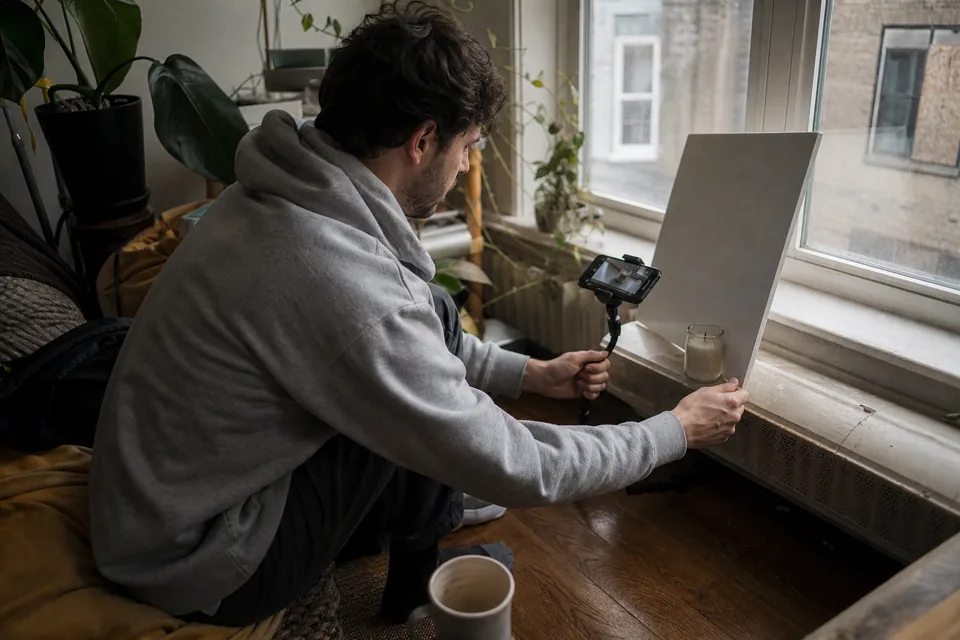
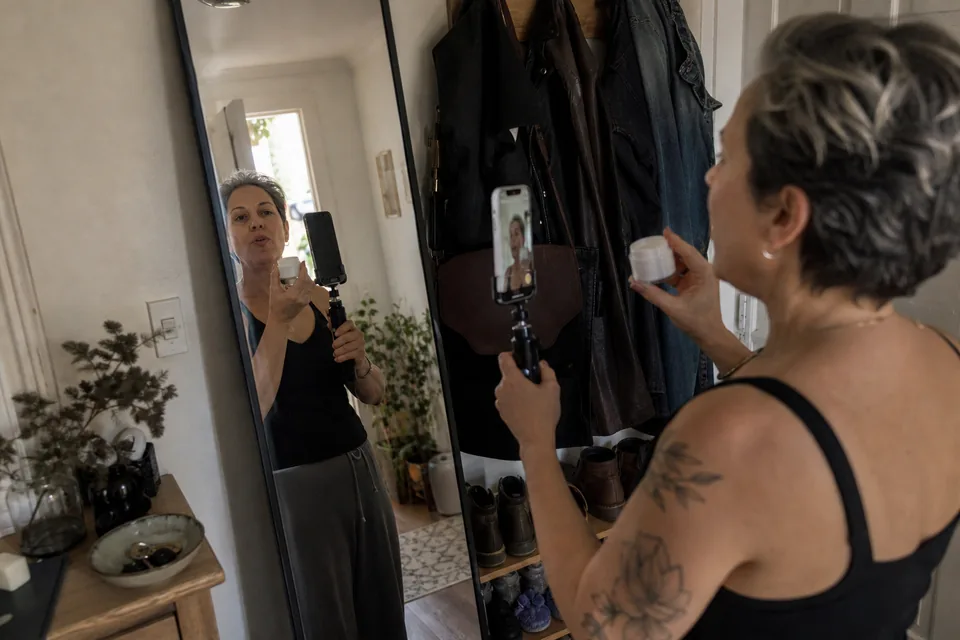
Testimonial video service costs for ten videos compared by route
A testimonial video service costs anywhere from about $150 a month for self recorded testimonial software to about $6,000 per video for a managed remote shoot, and a full production company runs $5,000 to $20,000 or more per video. The right route depends on who speaks. A real customer's story needs a customer, so you pay for coordination and production. A testimonial style ad for testing hooks can be made by a paid creator who used the product, for a few hundred dollars, as long as it is disclosed. This article prices ten videos through each route.

Which testimonial video service should you pay for
Buy a production company or a managed remote service when you need a named customer case study for a sales deck or a landing page, and budget $3,000 to $6,000 or more per video. Buy testimonial software when you have many happy customers who will record themselves and you have time to edit. Hire creators when you need ad creative in volume, where a disclosed, testimonial style video from someone who really used the product costs $150 to $250 plus ad rights. Most brands that run paid social end up using two of these, not one.
Four ways to buy testimonial videos
Prices below come from vendor cost guides published in 2026, mainly Vocal Video's testimonial cost guide (September 2026) and Vidico's cost breakdown (June 2026). Both are vendors, so read their numbers as market ranges, not quotes.
| Route | Who speaks | How you pay | Typical 2026 price |
|---|---|---|---|
| Testimonial software, self recorded | Your real customer, on their phone | Monthly plan | $99 to $299 a month, enterprise from $1,250 |
| Remote guided testimonial service | Your real customer, directed over video call | Per video | $800 to $3,000, managed services about $6,000 |
| Production company on site | Your real customer, filmed by a crew | Per video or per program | $5,000 to $20,000+ per video |
| Creator testimonial style video | A paid creator who used the product | Payout per video plus rights | $150 to $250 per video, plus paid use |
The first three routes all depend on the same scarce input: customers who agree to appear on camera, sign a release and wait for their legal team. That is where most of the time goes, and it is why a "testimonial video service" quote rarely covers the real cost of the first batch.
What ten videos cost through each route
The scenario is a brand that wants ten short testimonial videos for its site and its ads over one quarter.
| Route | How the total is built | Ten videos |
|---|---|---|
| Testimonial software | Pro plan at $149 a month for three months, plus a $50 thank you gift per customer (an assumption) | About $950, plus your editing time |
| Remote guided service, low end | Ten videos at $800 | $8,000 |
| Remote managed service | Ten videos at about $6,000 | About $60,000 |
| Production company | Ten videos at $5,000 to $20,000 | $50,000 to $200,000 |
| UgcBoard creator videos | Ten payouts of $150, +40% for three months of paid use, 15% fee inside the budget | $2,100 |
The software route looks cheapest, but only if ten customers actually record. Response rates to "please film a video for us" requests vary widely, so plan for several asks per finished video and for your own time chasing and editing. The managed and production routes cost more because someone else does the asking, directing and editing, and the result is a polished story with a real name on it.
On UgcBoard the $2,100 budget pays out $1,785 to creators, $178.50 each, and the $315 fee is already inside it. Product samples are your own cost. The UGC rates page shows how payouts and rights move that number, and how much UGC costs compares the same batch on other UGC platforms.
A creator video is not a customer testimonial
This is the part most UGC vendors skip. Since October 21, 2024, the FTC's rule on consumer reviews and testimonials (16 CFR Part 465) bans testimonials that misrepresent that the speaker is a real customer or had experience with the product they did not have. The FTC's endorsement guidance also requires a clear disclosure when the speaker was paid or got the product free.
For a brand that means three practical rules:
- The creator must actually use the product before filming, and the brief should give them enough time to do it.
- The script may describe the creator's own experience, but it may not say "I have been a customer for two years" or quote results they did not get.
- The video carries a disclosure, such as "paid partnership" or "#ad", in the caption or on screen.
Within those rules, a creator video does most of what a testimonial does in an ad: a believable person, a specific problem and a product solving it in their hands. What it cannot replace is the named customer case study with a logo and a measured result. Keep that for the sales deck and the pricing page.
Who should buy which kind of testimonial video
B2B and high ticket services
A buyer signing a five figure contract wants to hear from a company like theirs. Pay for remote guided or on site production of two or three named customers, and use creator videos from people in the buyer's role for the ads that bring them in. B2B UGC covers creators matched to a job title.
Ecommerce and DTC brands
You already have reviews. What you lack is enough video to test hooks every week. Creator videos win on cost per test, and testimonial software can turn your best reviewers into a few authentic clips for product pages. The UGC ads guide covers formats that work on Meta and TikTok.
Local and travel businesses
A tour operator or a hotel gets the strongest testimonial from a guest's eye view of the experience. A creator on a comped, disclosed visit gives you that in days. See travel UGC for travel brands for matching briefs to trips creators already have booked.
Teams thinking about hiring in house
Some teams price a full time video producer instead of any service. Before you put a salary in the plan, check what marketing and video roles actually pay in your city on Marketersanonymous, then compare it with a quarter of per video spend. Below roughly 40 videos a year, per video buying usually wins.
Rights to check before you pay any testimonial video service
A testimonial you cannot run as an ad is a page decoration. Whatever route you choose, get these in writing:
| Right | Why it matters | Applies to |
|---|---|---|
| Paid ads use and term | Without it you can post the video organically but not put spend behind it | Every route |
| Channels | Meta, TikTok, YouTube and LinkedIn are separate decisions in many contracts | Every route |
| Edits and cut downs | You will want 15 second versions and new hooks | Every route |
| Raw footage | Lets your editor make new versions without a new shoot | Creators and production |
| Customer release | A signed release covering name, face and company | Real customers |
For creator videos, the UGC contract and usage rights guide prices each of these as a share of the base fee, and the raw footage guide shows when the add on pays back.
Testimonial video service questions
How much does a testimonial video service cost?
Testimonial software costs $99 to $299 a month, remote guided services $800 to $3,000 per video, managed remote services about $6,000 per video, and on site production $5,000 to $20,000 or more, per 2026 vendor guides. A disclosed creator video costs $150 to $250 plus paid use rights.
Can I pay creators to make testimonial videos?
Yes, if the creator actually used the product, speaks only about their own experience and discloses the paid relationship. The FTC rule on reviews and testimonials bans videos that pretend the speaker is a customer when they are not, or claim results they did not get.
What is the cheapest way to get video testimonials?
Ask real customers to record on their phone through testimonial software, at about $99 to $299 a month. It is cheap in money and expensive in time, because you need several asks per finished video and someone to edit. For ad creative at volume, creator videos are usually cheaper per usable clip.
How long should a testimonial video be?
For ads, 15 to 45 seconds with the problem stated in the first three seconds. For a landing page or a sales deck, 60 to 120 seconds, with the customer's name, role and one measured result. Order one master and ask for cut downs in the brief.
Do I own the testimonial video?
You own what the contract says. Ask for paid ads use, the channels, the term, edits and raw footage in writing. On UgcBoard the license is written into each creator agreement and starts when you approve the video.