Glossier UGC and how a small beauty brand can buy the same
Glossier is the brand most people name when they talk about UGC in beauty, because its look leans on customer photos, reviews and posts. A small beauty brand without that audience cannot wait years for it to appear, so the practical move is to commission the same kind of content from creators with a clear brief. UgcBoard is a UGC marketplace where a brand posts a brief with a payout per video and creators apply, with a flat 15% fee inside the budget and no subscription. This article separates the two things people call UGC and prices the buyable one.
The short answer
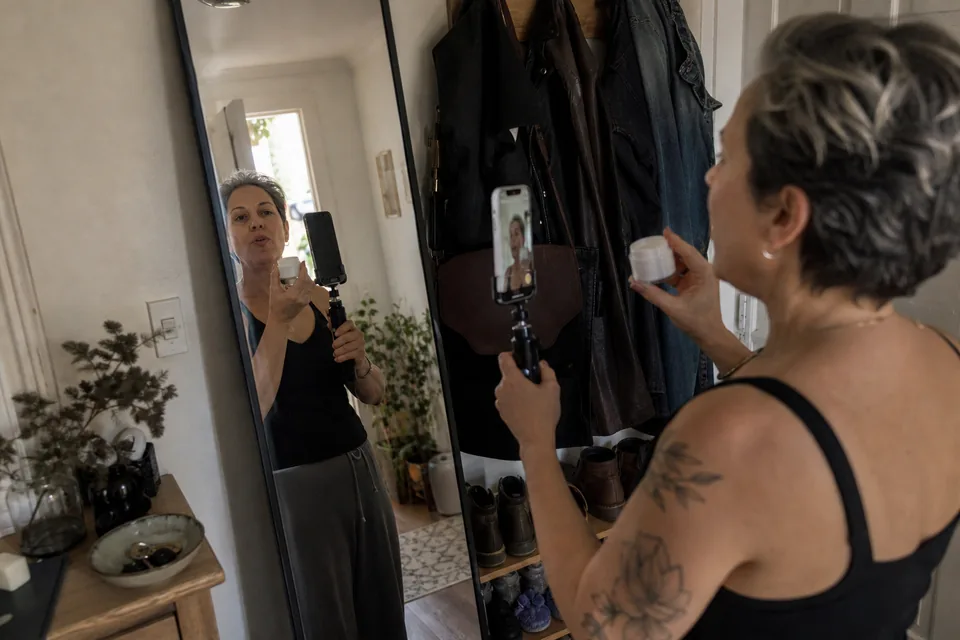
What people admire in Glossier UGC is mostly earned content: real customers posting because they like the product. You cannot order that. What you can order is commissioned UGC, where a creator films the product on a phone in a style that looks like a customer post, and you hold the rights to run it as an ad.
For a brand with a few hundred followers, commissioned UGC is the faster route. Ten videos at $200 each cost $2,353 to fund on UgcBoard. The cost by beauty category is on how much beauty UGC costs.
Earned UGC and commissioned UGC are different things
| Earned UGC | Commissioned UGC | |
|---|---|---|
| Who makes it | Customers, unprompted | Creators you brief and pay |
| What it costs | Nothing per post, but years of brand building | About $150 to $212 per video in public 2026 guides |
| Can you run it as an ad | Only with the poster's permission, post by post | Yes, if the rights term in the brief covers paid use |
| Control over claims | None | You set the claim list in the brief |
| Speed | Unpredictable | Weeks, from brief to approved files |
Earned content is worth encouraging with a hashtag, a repost habit and a reply to every tagged photo. It is a slow asset, though, and you need permission each time you want to turn a post into an ad. Commissioned UGC is the part of the plan you can schedule.
The longer comparison is in user generated content for brands, which covers collected, earned and commissioned content side by side.
What a small brand can copy from the Glossier look
Three things carry over, and none needs a large audience.
First, faces that look like the buyer. Pick creators across skin tone, skin type and age instead of one polished look. Second, the product in a real routine, not a product shot on a white sweep. Third, a voice that sounds like a friend: short sentences, honest first impressions, no script read aloud.
Put these in the UGC brief as rules the creator can follow, such as "film at the bathroom sink, natural light, no filters on skin."
Ten creator videos for a beauty launch
| UgcBoard | |
|---|---|
| Creator payout each | $200 |
| Ten creators | $2,000 |
| Budget you fund | $2,353 |
| Platform fee, 15% | $353 |
| Sample kits, ten at an assumed $12 landed | $120 |
| Total cash out | $2,473 |
$200 and $12 are assumptions for the example. The payout sits inside the $150 to $212 range in public 2026 rate guides, and the kit cost depends on your product and postage.
A test of three videos at $150 each is $529 funded, plus three kits. Run those as ads for a week against your current best creative before you buy the other seven. The 90 day plan for DTC brands shows how to stage the rounds.
Turn creator videos into ads without a dispute
A creator video posted on her own page and a creator video running as your ad are different permissions. Say in the brief where the video may run, for how long, and whether your ad account may post it from her handle. Each of those changes the payout; see UGC whitelisting cost and raw footage for what they add.
Disclosure is not optional. The FTC says a creator must clearly disclose a material connection to the brand, including free product, and explains the standard in its Endorsement Guides FAQ. Skincare brands should also keep to cosmetic claims, since the FDA draws a line between cosmetics and drugs based on intended use.
Who this is for and who it is not for
This suits a small or early beauty brand that has a product to ship, a few thousand dollars to test with, and no steady stream of customer posts yet. It also suits an established brand that wants fresh creative for paid social without a retainer.
It is not for a brand that wants a large community to appear on its own, or one that needs a filmed campaign with models and a studio. For hiring steps, see how to hire UGC creators.
Buy your first beauty batch in four steps
1. Decide the claim list
Write what creators may say and what they may not.
2. Post the brief
Name the product, the format, the payout and the rights term.
3. Pick across the range
Review applications and choose creators who match the buyers you want.
4. Test, then scale
Run a small round as ads first and buy the larger batch once one hook wins.
Glossier UGC questions
What is Glossier UGC?
It means content made by Glossier customers, such as photos, reviews and posts, which the brand shares and builds its image around. It is earned content, posted because customers like the product, rather than content the brand paid for.
Can a small beauty brand get UGC like Glossier?
Not by waiting. Earned UGC follows brand awareness. A small brand can commission creators to film in the same natural style, and buy the rights to run the videos as ads.
How much does it cost to buy beauty UGC?
Public 2026 guides put a US creator video at about $150 to $212 before paid ad rights. Ten videos at $200 each cost $2,353 to fund on UgcBoard, with the 15% fee inside the budget.
Can I use a customer's photo in an ad?
Only with the customer's permission, post by post. Commissioned creators sign over the rights you name in the brief, which is simpler for ads.
Does UgcBoard charge a monthly fee?
No. Posting a brief and reviewing applications is free, and a quiet month costs nothing.